
- Executive Summary
- Methodology
- Download Full Report
Executive summary
‘News for the Next Generation‘ is a new study into youth news engagement by NewsBrands Ireland and Colourtext.
The study set out to uncover the real truth of young Irish people’s engagement with established news brand platforms, news awareness, and perceptions of journalism, fake news, and advertising in news brands environments.
In an age of endless content, social feeds, and online misinformation, it might be easy to assume that young people have turned away from news. Our research set out to explore some crucial questions:
- Do young people engage with established news brands?
- Do they trust us?
- And do they take action based on the content they consume?
The research finds that Irish 16–29-year-olds view established news brands as their most trusted sources in a complex media landscape, using them for verification, in-depth analysis, and credible reviews that influence their purchasing decisions. Eighty percent of young people engage with an Irish news brand every week, and in an era of rampant social media misinformation, the majority turn first to trusted Irish news brands to check the accuracy of stories they encounter online.
Key Findings:
8 in 10 Irish people between 16-29 engage with Irish news brands every week.
News brands print and digital platforms are the most trusted source of information for young Irish people.
80% have taken at least one retail-related action (e.g., researching products, visiting retail sites, or purchasing) after exposure to news brand content.
83% see investigative journalism that uncovers hidden issues as valuable.
78% are concerned about fake news on social media.
The majority ( 57%) would turn first to established news brand online or in print to verify a story they came across online.
Methodology
News for the Next Generation Research Study
Who carried out the study, and who was surveyed?
The News for the Next Generation study was commissioned by NewsBrands Ireland and conducted independently by the research agency Colourtext. It is based on a 2024 study carried out in the UK by Newsworks.
A nationally representative sample of 2,000 young people aged 16–29 across the Republic of Ireland took part. Fieldwork ran online between 21st of May and 5th of July, with quotas for age and gender to ensure accuracy.
In addition to the large-scale survey, we carried out eight in-depth qualitative video interviews with young people from across Ireland. These one-to-one conversations added rich, first-hand perspectives, helping to explain not just what young people are doing, but why they think and behave the way they do.
When the research talks about ‘news’, what exactly was meant by that?
Respondents were allowed to define “news” for themselves. To test this, we asked an open question: “Can you name the biggest news story right now?” This ensured responses reflected real-world awareness rather than researcher definitions.
How were ‘news brands’ defined?
In the survey, we presented respondents with a list of 30 Irish news brands to establish a shared definition. From there, we asked how often they engaged with any of these.
How did the survey measure news engagement?
Colourtext created an innovative Smart-Recall methodology, designed to overcome the limitations of traditional recall surveys. It combines:
- 24-hour time-bounded recall – limiting memory errors.
- Critical incident recall – anchoring answers to major headlines of the day.
- Unprompted and prompted recognition – e.g. 81% could recall a top story unaided; 94% recognised real headlines when shown.
- Bias control – normalising “not sure” responses to avoid over-claiming.
This blended approach gives a much truer picture of young people’s actual behaviour
The findings show that news brand engagement is strong, with 8 in 10 young people engaging with established news brands every week. The figure includes all formats of Irish news media brands — print, news websites, news apps, and crucially, their social media channels. For most young people, social is the gateway — but what they are engaging with is still the journalism of trusted Irish news media.
Irish news brands have strong presences on Instagram, TikTok, Facebook, Twitter/X and more, keeping them in weekly contact with the majority of 16–29-year-olds.
Q: How was the segmentation of the youth news audience carried out?
A: The segmentation was based on revealed preferences rather than demographics alone. Instead of asking people to describe themselves, we looked at how they actually engaged with news.
Respondents were shown a set of 37 real news headlines — spanning breaking news, crime, political analysis, investigative journalism, features/lifestyle, interviews, and more — and asked to choose which stories genuinely interested them. This “revealed preference” approach let us go beyond posturing or social signalling to capture what truly resonates.
We then analysed these choices in combination with wider measures of consumption levels, trust, attitudes, motivations, and user needs. By clustering young people based on these behaviours and outlooks, six distinct audience segments emerged. Each group reflects not just how much news they consume, but why they consume it, what they look for in journalism, and how news fits into their daily lives.
The result is a set of nuanced, behaviour-driven personas that go far deeper than age, gender, or demographics — providing a powerful map of Ireland’s youth news landscape.
*************************************************************************************************************************
For further questions on the research, please contact:
Lisa Buckley, NewsBrands Ireland lbuckley@newsbrands.ie
More from NewsBrands Ireland
Shortlist Announced for the 2026 Irish Journalism Awards, in association with NewsBrands Ireland and supported by Google News Initiative
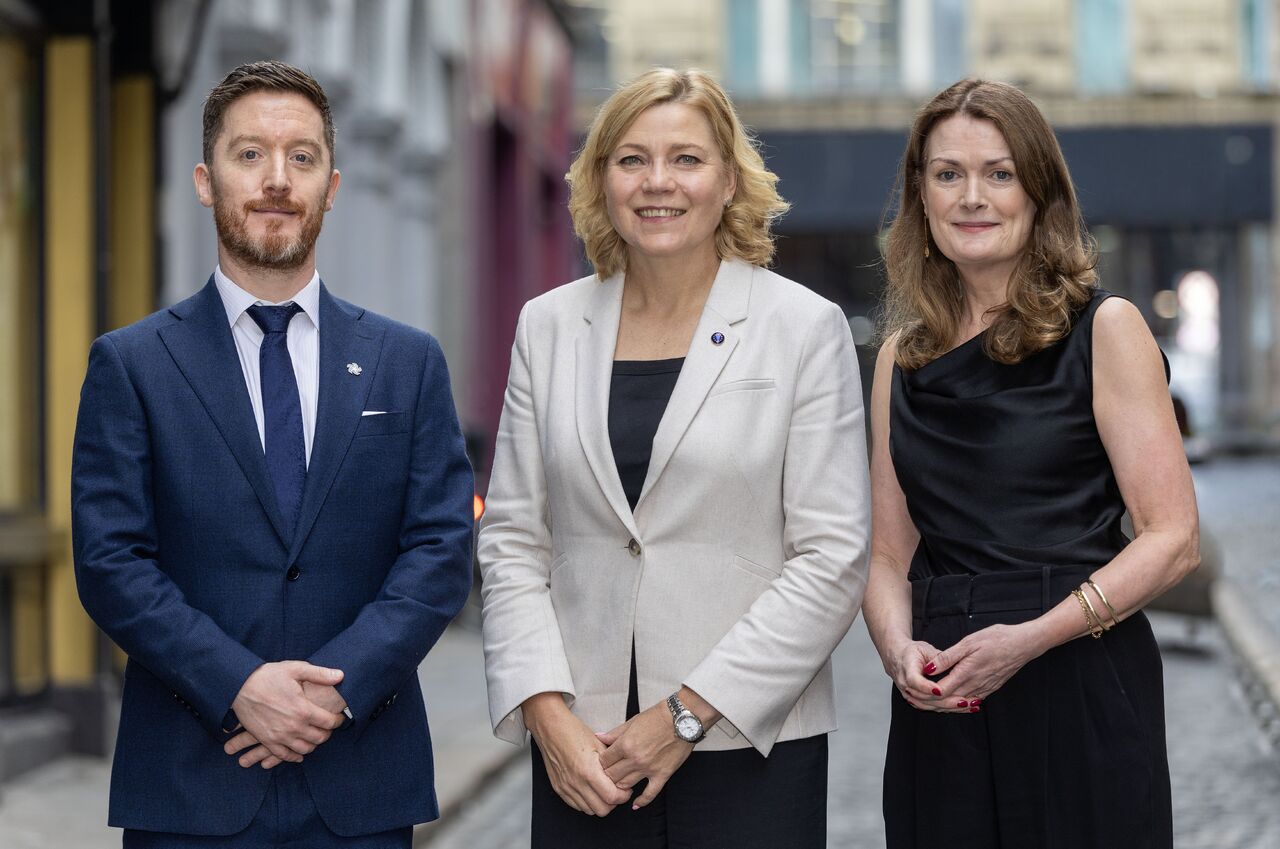
Irish news publishers and the recorded music industry call for fair and robust AI legislation at EU Presidency conference in Dublin
Young Journalist Ireland and Microsoft Dream Space team up for Global Media and Information Literacy Week
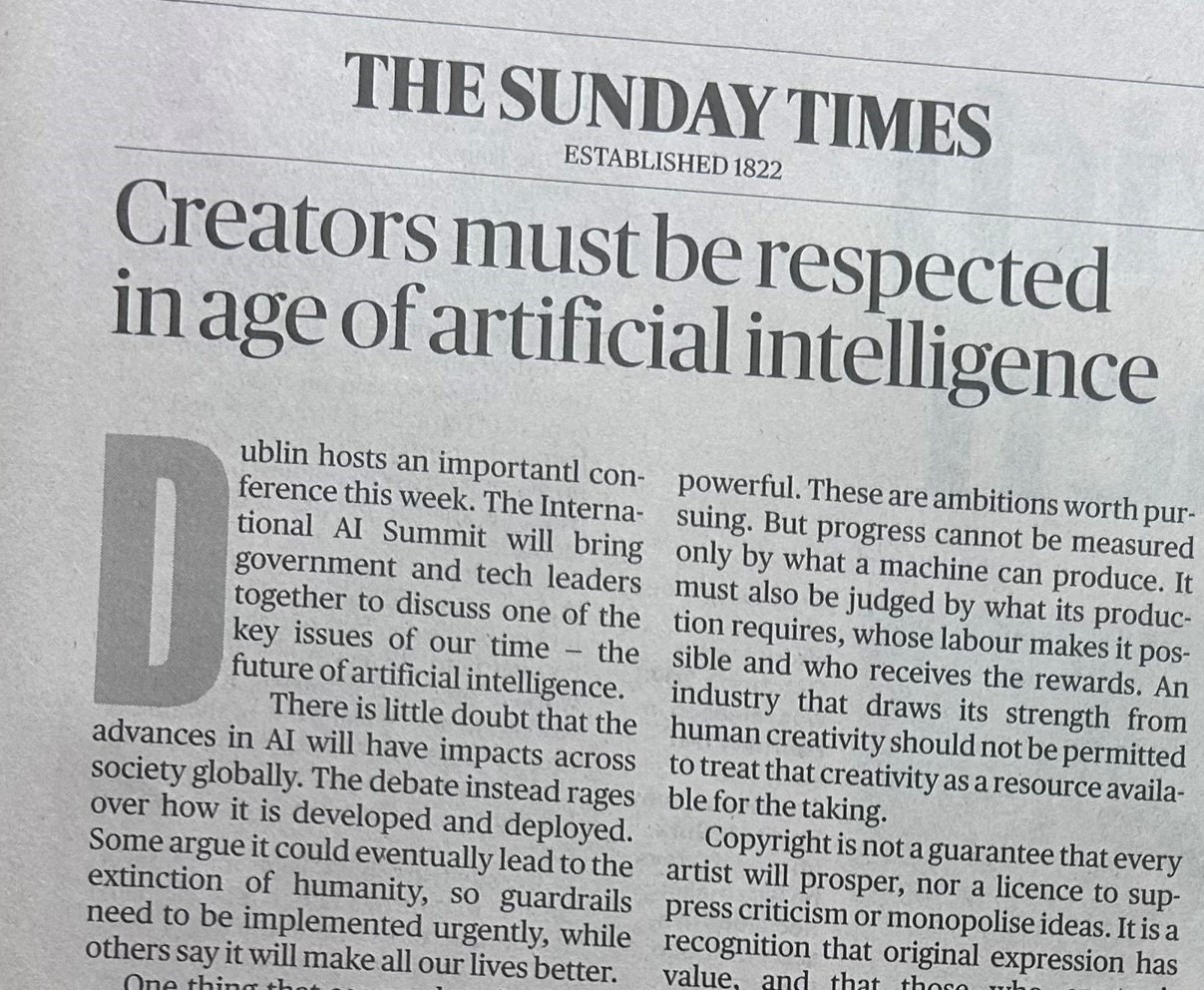
Sunday Times Leader highlights copyright challenges ahead of NewsBrands AI conference
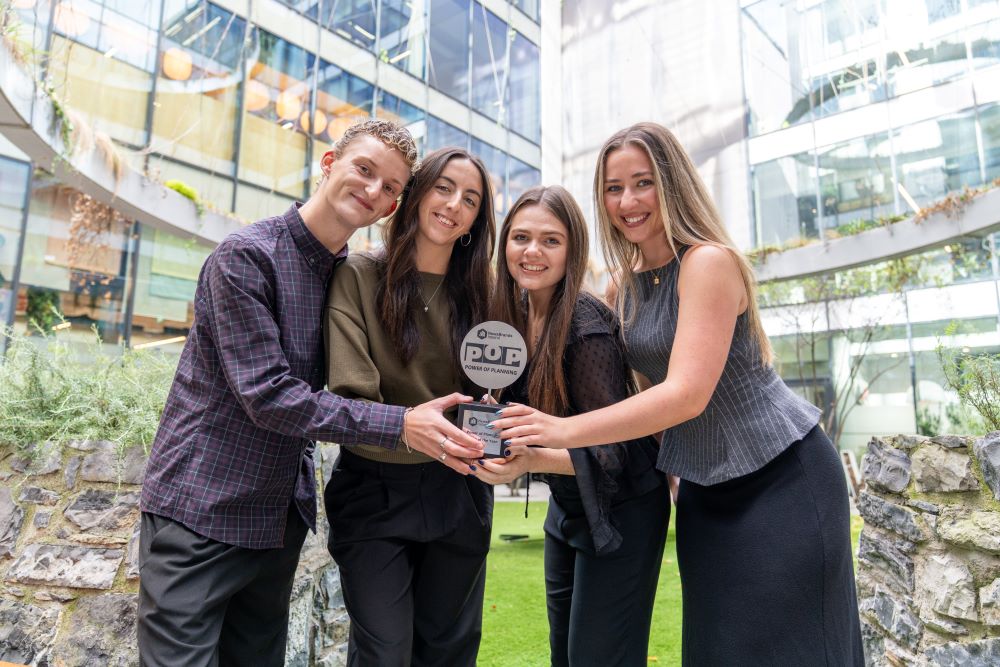
Starcom wins NewsBrands’ Power of Planning competition 2026
